
Introduction
Many players in Heartopia get stuck not because the game is difficult, but because they use their early resources in the wrong order. They decorate too soon, craft too many unnecessary items, and spend too much time on activities that look fun but do not actually improve long-term progress.
This guide focuses on one important Tips & Guides issue: how to progress efficiently in Heartopia without wasting your early and mid-game resources. If you want to grow faster, unlock more smoothly, and avoid common mistakes, this is the roadmap to follow.
Why most players fall behind early
The biggest reason players progress slowly in Heartopia is simple: they do everything at once. The game offers gathering, crafting, decorating, exploration, and side systems very early, so many players assume all of them should be treated equally.
But not every activity gives the same value.
What actually matters most early
- Unlocking systems
- Gathering core materials
- Upgrading useful tools
- Building a stable daily routine
- Saving important resources
What should wait
- Heavy decoration
- Optional furniture crafting
- Random side crafting
- Spending rare currency too early
Heartopia rewards players who understand priority, not just effort.
Your first days should focus on progression, not aesthetics
During your first 1–3 days, your goal should not be making your home beautiful. Your goal should be making your account functional.
That means you should focus on unlocking tools, stations, basic routes, and daily systems before you worry too much about style.
Best first-day priorities
- Follow main quests
- Unlock core mechanics
- Gather as much as possible
- Learn where key materials spawn
- Craft only what is necessary
A lot of players lose momentum because they spend too much too early on cosmetic things. In Heartopia, a pretty setup means very little if your progression systems are weak.
The real early-game problem is material shortage
Most players think currency is their biggest issue. In reality, the bigger problem is usually not having enough useful materials when they need them.
You may have coins, but if you lack wood, ore, fiber, processed items, or crafting components, your progression still slows down.
Smart material management rules
- Keep more than you think you need
- Do not sell common materials too quickly
- Protect anything used in upgrades
- Build a small reserve of all essential items
Best habit to build early
Instead of farming randomly, create repeatable gathering routes. This makes your progression much more stable and helps you avoid constant shortages later.
Use your daily playtime in the right order
Heartopia becomes much easier when you stop playing randomly and start playing with a daily structure.
A lot of players waste valuable time doing low-priority things first. The smarter way is to handle anything time-limited or high-value before doing optional content.
Best daily order
- Daily tasks and rewards
- Event or limited-time systems
- Resource farming
- Crafting and processing
- Optional decoration or side content
This order matters because resets and daily systems often provide the best long-term value. Even short sessions can be productive if you do the right things first.
Decorating too early is one of the biggest mistakes
This is one of the most common Heartopia traps. Players unlock cute furniture and immediately start building their dream space. The problem is that decoration often consumes the exact same materials needed for progression.
That means your home may look better, but your account becomes weaker.
When decoration is safe
- When your core upgrades are already stable
- When you have extra materials, not your last materials
- When your crafting economy can recover easily
Best decoration strategy
Start with functional design first:
- clean layout
- useful station placement
- easy movement
- organized storage
Then later, once your economy is stronger, you can invest more heavily into aesthetics without slowing your growth.
Build one strong income loop instead of farming everything
A lot of players stay busy in Heartopia without actually becoming efficient. They gather random resources, sell random items, and craft things without a real system.
What you need instead is a stable income loop.
A good loop usually includes
- Gathering
- Processing
- Crafting or converting
- Selling or reinvesting
The strongest players do not rely on random profits. They repeat one or two dependable loops every day.
Best rule
Do not try to profit from everything.
Find:
- one main resource loop
- one support loop
This is much more effective than doing five weak activities at once.
Inventory management is more important than it looks
In Heartopia, bad inventory habits can seriously slow down your account. A messy storage system causes players to:
- forget what they own
- waste rare materials
- sell useful items
- duplicate crafting by mistake
That leads to slower progression and unnecessary farming.
Best storage categories
- Upgrade materials
- Basic crafting materials
- Processed goods
- Sellable extras
- Event or limited items
Simple storage rule
Always keep:
- a minimum reserve
- a working reserve
- an overflow amount
Once you organize your inventory properly, your progression becomes much smoother and more efficient.
Upgrade for efficiency, not for excitement
Many Heartopia upgrades look tempting, but not all of them should be prioritized early.
The best upgrades are the ones that make everything else easier.
Best upgrades to prioritize
- Tool upgrades
- Gathering efficiency
- Storage expansion
- Production stations
- Movement or utility improvements
Upgrades to delay
- Cosmetic unlocks
- Niche systems with low return
- Expensive side upgrades with little daily value
A useful rule is this:
If an upgrade helps every future session, it is probably worth more than one that only looks impressive today.
How to survive the mid-game slowdown
At some point, Heartopia naturally becomes slower. Costs go up, materials take longer to gather, and progress feels less exciting. This is where many players lose interest.
The solution is not grinding harder. The solution is becoming more focused.
Best way to handle mid-game
- Stop chasing too many goals at once
- Pick one upgrade focus each week
- Keep one “fun project” beside your main grind
- Measure progress by systems, not by constant unlocks
The mid-game is where smart players separate themselves from impatient ones. If you stay organized here, your account becomes much stronger later.
The long-term goal is a self-sustaining account
The strongest Heartopia players are not just rich in materials or furniture. They have built an account that can support both progression and creativity without constant stress.
A strong Heartopia account has
- Stable daily routines
- Protected material reserves
- Reliable crafting flow
- Good storage habits
- Flexible extra resources
- Enough freedom to decorate without falling behind
That should be your real long-term goal: not just owning more things, but building a system that keeps growing smoothly.
Conclusion
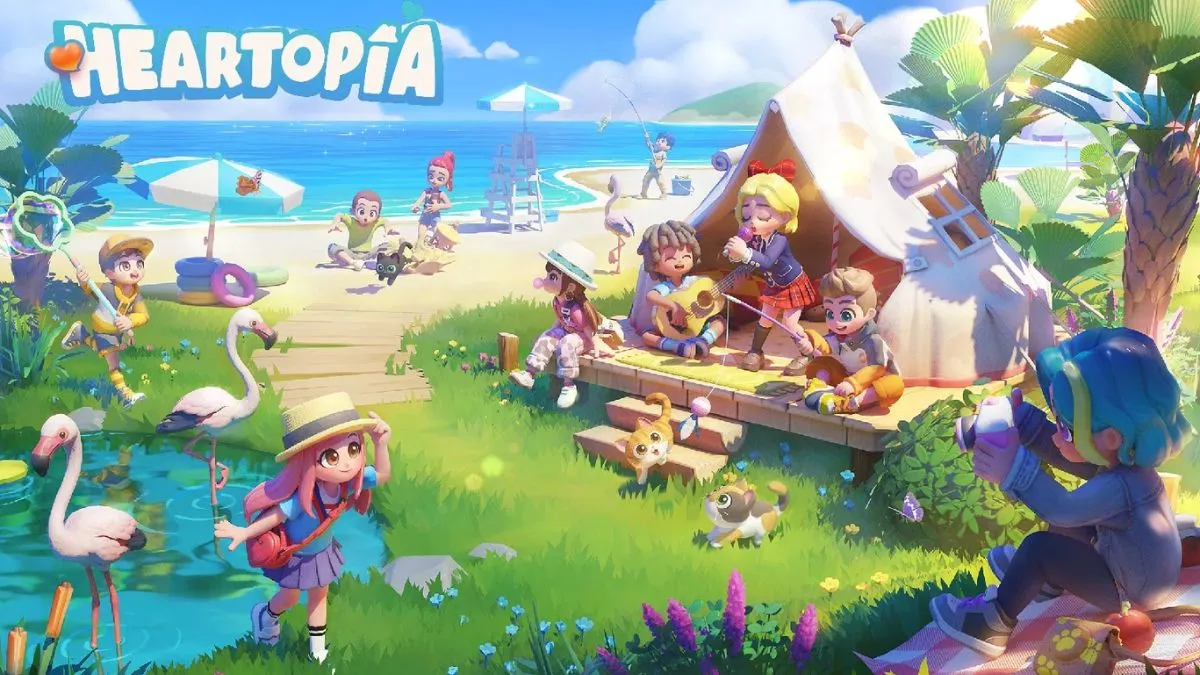
Heartopia may look like a soft and cozy life-sim, but smart progression matters a lot more than many players realize. If you want to grow faster, the answer is not to do more—it is to do the right things in the right order.
Focus on systems before aesthetics. Protect your materials. Build efficient routines. Upgrade for value. And only go heavy into decoration once your account can actually support it.